
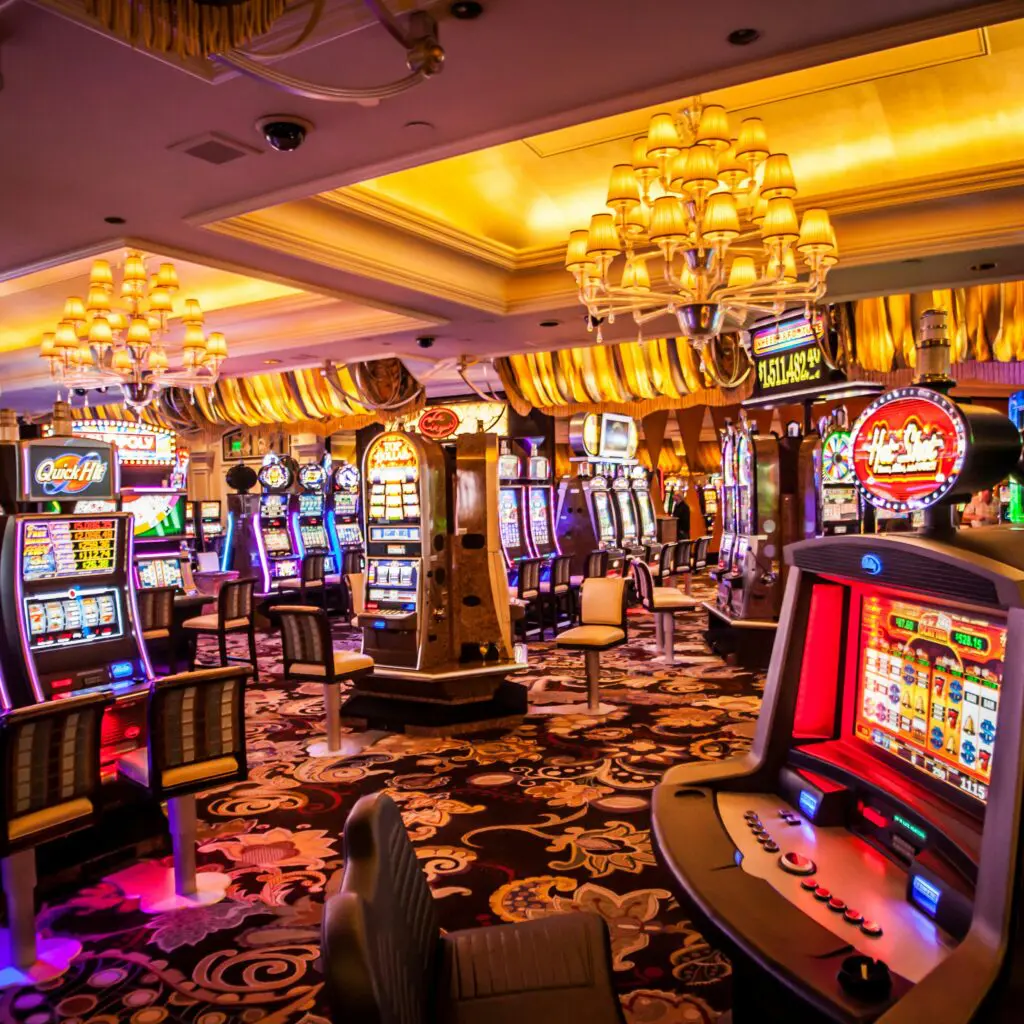
Across casino floors and online platforms worldwide, few games attract as much attention as the modern gaming machine. Bright visuals, celebratory sounds, and the thrilling possibility of immediate rewards create an experience that is difficult to resist. Yet, the true power of these games lies not just in their appearance, but in the careful psychological design behind them. Every detail from the timing of wins to the animation of near-misses is crafted to keep players engaged longer than they ever planned. Understanding how these machines manage to capture attention so effectively requires exploring the history, psychology, and technological innovation that drive their enduring appeal.
The Early Psychology of Attraction in Mechanical Machines
When the first mechanical gambling devices appeared in bars and social clubs, they were simple in design yet remarkably captivating. A player pulled a lever and waited for spinning reels to align. There were no lights, no digital sounds, and no bonus rounds. The answer lies in anticipation. Even in their most basic form, these machines tapped into a fundamental human emotion the excitement of not knowing what will happen next. That feeling alone was powerful enough to keep people playing. Machine designers quickly recognized this emotional engagement and began introducing more entertaining visuals and thematic elements, laying the foundation for the immersive experiences that would follow.
The Science of Reward and Reinforcement
As machines evolved, developers began applying principles from behavioral psychology. One of the most powerful discoveries was the concept of variable reward schedules. Instead of giving consistent rewards, slot machines began offering wins at unpredictable intervals. This system was scientifically proven to create stronger attachment and longer engagement than regular rewards. Each spin carried the potential for excitement, but players never knew exactly when it would occur. The unpredictability created anticipation, and anticipation created desire. Every small win acted as positive reinforcement, encouraging the player to continue, even if the overall outcome over time was loss. This pattern of occasional success formed the emotional backbone of modern game design.
The Illusion of Near Wins and the Hope of Almost
To keep players engaged, developers introduced one of the most psychologically effective features the near-miss. A near-miss occurs when the symbols stop just short of a winning combination. Although technically a loss, it feels close enough to victory that the brain interprets it as progress. Studies have shown that near-misses activate similar reward pathways as actual wins, convincing players that success is within reach. This powerful illusion encourages continued play even during long losing streaks. The machine isn’t just spinning reels, it is manipulating expectations, keeping hope alive, and convincing the mind that the next spin could be the one.
The Emotional Impact of Sound and Celebration
Sound plays a critical role in sustaining player engagement. Winning spins are accompanied by celebratory jingles, flashing lights, and visual explosions, creating a sense of accomplishment. Interestingly, these celebrations often occur even when the player wins less than they wagered. The brain hears the victory sounds and feels rewarded, even though money was actually lost. These losses disguised as wins trick players into believing they are succeeding more often than they are. Over time, this constant flow of positive feedback creates an emotionally uplifting environment. The machine becomes less about profit and more about stimulation, making it easy to lose track of time and money.
The Role of Immersion and Entertainment
As technology advanced, machines transformed from simple devices into immersive entertainment experiences. Themes based on films, mythology, adventure, and fantasy allowed players to emotionally connect with the game. Each spin felt like a chapter in a story rather than just a wager. Bonus rounds, animations, and interactive features made gameplay feel dynamic and personalized. Players were no longer just spinning reels exploring worlds, unlocking features, and progressing through journeys. This emotional connection made the experience engaging even during periods without wins. The game became entertainment first, gambling second, which made players stay longer because the experience itself felt rewarding.
The Convenience of Modern Accessibility
The shift to online platforms dramatically increased the ease of access. Players no longer needed to travel to a casino could enjoy the experience from home or on mobile devices. This convenience allowed shorter, more frequent sessions, making the activity a casual pastime rather than a special event. Online platforms also introduced loyalty rewards, free spins, and personalized offers that mimicked casino hospitality. The combination of accessibility and incentives made the games more appealing than ever. With constant availability, players could return at any moment, reinforcing long-term engagement and habitual play.
The Power of Control and Illusion of Choice
Modern machines give players the illusion of control. Features such as choosing paylines, adjusting bet size, or activating bonus features create the impression that strategy influences outcomes. In reality, the results are determined by random number generators, but the ability to make choices gives players a stronger sense of involvement. This perceived control increases confidence and reduces the feeling of risk. When players feel responsible for their actions, they are more likely to continue playing, believing that better decisions will lead to better results. The game design sustains engagement by balancing chance with the illusion of influence.
The Emotional Loop of Hope, Reward, and Return
At the core of long-term engagement lies an emotional loop that keeps bringing players back. It begins with anticipation every spin holds the possibility of excitement. When a win occurs, even a small one, the brain releases dopamine, creating pleasure and reinforcing the behavior. After stepping away, players remember the excitement more than the losses. This selective memory, combined with the hope of repeating rewarding moments, fuels the desire to return. The cycle continues repeatedly, as the game perfectly balances suspense, reward, and entertainment in a way few other activities can match.
In Summary
Machines are not addictive by accident they are engineered with precision to capture attention, stimulate emotion, and sustain engagement. From early mechanical designs to advanced digital platforms, every element of the experience from near-misses and celebration sounds to bonus features and thematic immersion serves a psychological purpose. These games masterfully blend unpredictability, entertainment, and emotional reinforcement to create a powerful loop of anticipation and reward. In the end, players don’t return just for the chance to win money, they return for the thrill, the excitement, and the uniquely captivating experience these games are designed to deliver again and again.