
If you trade, you are creating data: entries, exits, screenshots, tax records, and account statements. Treating that information carelessly can cost you money at tax time or expose you to fraud. This guide covers how to store and share your trading records safely.
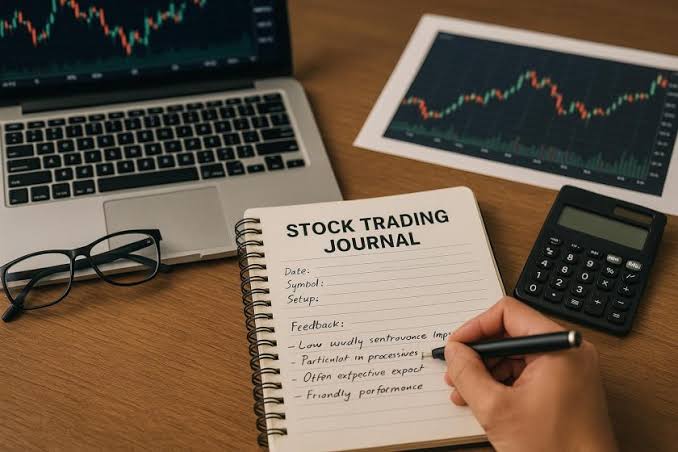
First, keep a trading journal. Record every trade with the date, instrument, position size, entry and exit, and a one-line reason. Over time this journal becomes the single most valuable document you own as a trader, because it shows your real patterns rather than the ones you imagine you have.
Back it up. Keep at least two copies of important records: one local and one in encrypted cloud storage. Broker statements and tax documents in particular should be archived at the end of every month, because platforms do not always keep old statements available forever.
Be careful when sharing. If a mentor, accountant, or tax advisor needs your records, share only what is necessary and use secure, expiring transfer links rather than public ones. Never share full account numbers, passwords, or two-factor codes. Legitimate brokers and advisors will never ask for your login credentials.
Watch for scams. Fraudsters often pose as “account managers” and ask you to share access or move funds. A simple rule protects you: you, and only you, should ever control withdrawals from your account.
Good data hygiene pairs naturally with choosing a trustworthy, regulated platform in the first place. If you are still comparing where to trade, you can learn more here about how the main brokers stack up on fees, safety, and withdrawals.
Your records are the memory of your trading. Store them like they matter, share them sparingly, and you will save yourself stress long after the trades themselves are closed.