
Data storage decisions in 2026 are no longer just about convenience — they are about security, privacy, and risk management. As businesses and individuals generate more digital data than ever, both cloud storage and peer-to-peer (P2P) file sharing continue to grow in popularity.
However, rising cybercrime and frequent data breaches have made safety a critical concern. Reports show that up to 45% of data breaches now occur in cloud environments, while unsecured file-sharing systems remain a major malware entry point.
Understanding how these technologies differ in security structure, risk exposure, and control is essential before choosing the safer option.
Understanding Cloud Storage in 2026
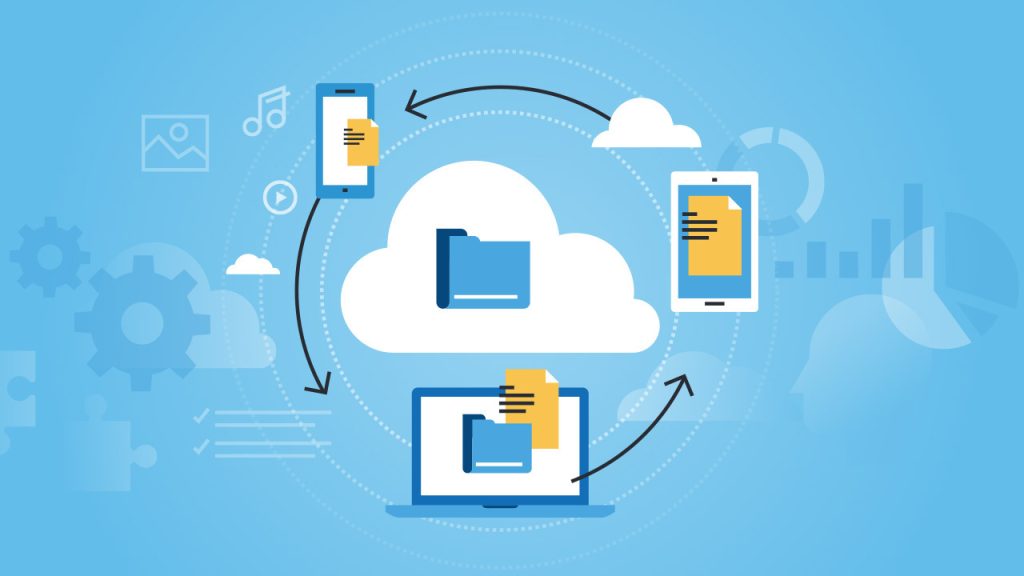
Cloud storage allows users to store data on remote servers managed by third-party providers. Instead of saving files locally, data is stored in distributed data centers and accessed through the internet.
This model has grown rapidly because it offers scalability, remote collaboration, and automated backups.
By 2026, cloud computing will have become the backbone of digital infrastructure, with nearly all organizations relying on some form of cloud environment. Industry reports estimate that 96% of companies use public cloud services, reflecting how deeply integrated cloud storage has become in modern workflows.
From a security perspective, cloud storage benefits from centralized monitoring, encryption protocols, and continuous updates handled by specialized security teams.
However, popularity also makes the cloud a major target for cybercriminals. Research shows that 80% of organizations experienced at least one cloud security breach in the past year, often due to misconfigurations or human error rather than platform weaknesses.
The key takeaway is simple: cloud storage itself is not inherently unsafe, but improper setup and access management significantly increase risk exposure.
How Peer-to-Peer File Sharing Works
Peer-to-peer file sharing operates differently.
Instead of relying on centralized servers, files are shared directly between users’ devices through distributed networks. This structure removes intermediaries and allows faster file transfers in some cases.
Despite these advantages, security experts consistently identify P2P networks as higher-risk environments. Because files come directly from unknown users, systems are more vulnerable to malware, spyware, and unauthorized access.
Security guidance warns that P2P software can expose devices to viruses, identity theft, and password compromise if files are not verified properly.
Another issue is visibility. In cloud environments, access logs and monitoring tools help track activity. In contrast, many P2P systems lack centralized oversight, making it harder to detect malicious behavior or accidental data exposure.
For personal use, this risk may seem manageable. For businesses or affiliate-driven operations, however, uncontrolled sharing introduces compliance and data protection challenges.
Security Comparison: Centralized Protection vs Distributed Risk
The biggest difference between cloud storage and P2P file sharing lies in responsibility.
Cloud providers operate under a shared responsibility model, where infrastructure security is handled by the provider while users manage permissions and access controls. In P2P systems, security responsibility rests almost entirely on individual users.
Statistics highlight the scale of the challenge.
Around 54% of cloud-stored data is classified as sensitive, meaning encryption and access management are essential to prevent exposure. Meanwhile, P2P networks increase risk through uncontrolled sharing, where files may be automatically accessible to multiple unknown peers.
Another critical factor is breach impact.
The global average cost of a data breach reached approximately $4.44 million in 2025, emphasizing why structured security environments matter. Centralized cloud systems often include automated backups and recovery options, reducing long-term damage compared to decentralized file-sharing environments.
In other terms, cloud storage concentrates risk but also concentrates protection, while P2P distributes both access and vulnerability.
Performance, Privacy, and Control Considerations
Security is not the only factor influencing the choice between these two models. Cloud storage offers convenience, automatic syncing, and easier collaboration. Teams can manage permissions, track access, and recover files quickly in case of accidental deletion or ransomware incidents.
Peer-to-peer sharing, however, gives users greater direct control over their data. Files are not permanently stored on third-party servers, which can appeal to privacy-focused users.
Yet this advantage also becomes a limitation when backups or recovery systems are missing.
In 2026, organizations increasingly balance both approaches by using cloud storage for collaboration while limiting peer-to-peer sharing to controlled environments. This hybrid approach helps reduce exposure while maintaining flexibility.
For businesses building online platforms or affiliate-driven projects, infrastructure decisions also affect security and scalability.
Industry research from Cybernews highlights how platform stability, hosting reliability, and security integrations play a major role in choosing the best setups for affiliate partners, especially when handling shared files or customer data within digital ecosystems.
What Cybersecurity Experts Say in 2026
Cybersecurity discussions increasingly focus on risk management rather than absolute safety.
Platforms like Cybernews, known for independent cybersecurity research and testing, frequently highlight that modern security decisions depend on configuration and user behavior rather than technology alone.
This is particularly relevant for businesses running digital partnerships or affiliate ecosystems. Secure file handling, permission management, and controlled access workflows directly affect operational safety.
For example, organizations researching best setups for affiliate partners often prioritize cloud-based sharing environments because they allow controlled collaboration without exposing internal systems to unknown external peers.
Experts consistently emphasize that the safest solution is not simply the newest technology, but the one with predictable security layers and clear accountability.
The Verdict: What’s Safer in 2026?
When comparing cloud storage and peer-to-peer file sharing purely from a security standpoint, cloud storage generally offers stronger protection in 2026.
Centralized monitoring, encryption standards, automated updates, and professional security management create multiple defensive layers that P2P systems typically lack.
This does not mean cloud storage is risk-free. Misconfigurations, weak passwords, and excessive permissions remain leading causes of breaches. However, these risks are manageable through proper setup and security awareness.
Ultimately, safety depends on how data is handled. For most users and organizations today, cloud storage provides a more controlled and secure environment, while P2P sharing should be only when security risks are clearly understood.