
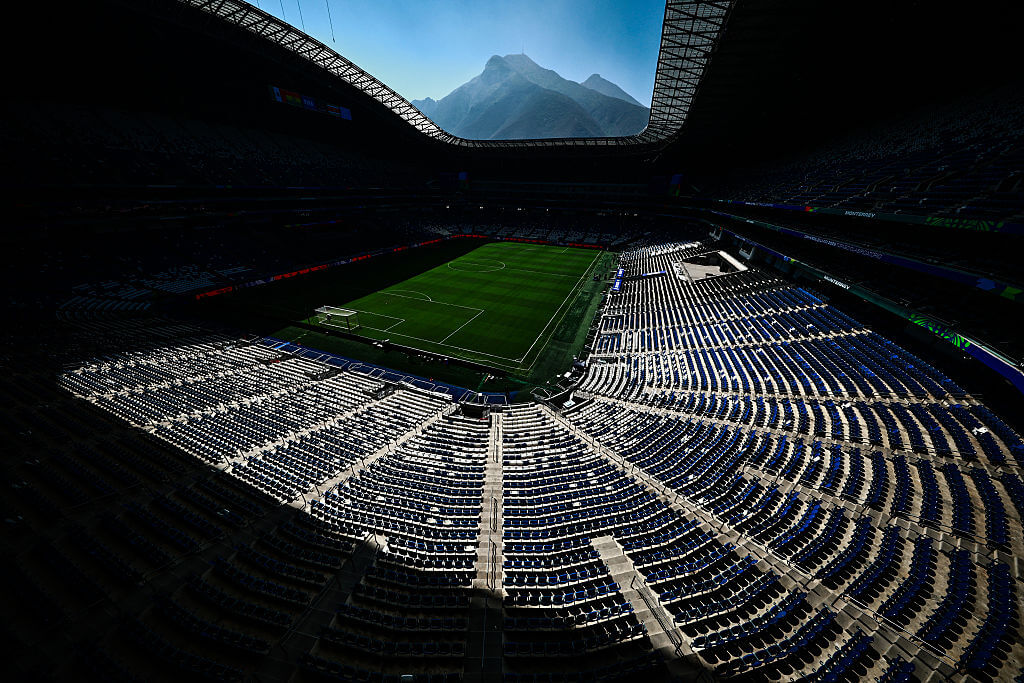
World Cup 2026 is the first men’s World Cup to span three countries with 16 host cities, and that geography changes not only travel plans but also how matches feel and unfold on your screen over 104 games. Each stadium brings its own mix of crowd profile, climate, and design details that subtly influence tempo, pressing intensity, and the kind of football you are likely to see when you follow full matches rather than just highlights. If you understand those contextual differences, you can read formations, momentum swings, and xG trends with a lot more nuance as the tournament moves from city to city.
How The 16-Venue Layout Shapes The Football
The decision to use 16 stadiums across Canada, Mexico, and the USA spreads the tournament over a wide range of time zones, altitudes, and climates, from coastal humidity to inland heat and Pacific rain. That variety means the same team can look quite different from one venue to another, with pressing intensity, recovery runs, and late-game tempo all affected by travel demands and local conditions. When you watch, tracking not just who is playing but where they are playing becomes essential to understanding why some matches feel open and others look cautious or physically heavy.
The Full List Of World Cup 2026 Stadiums And Their Roles
All 16 World Cup 2026 venues have been confirmed, with matches distributed across 11 cities in the USA, three in Mexico, and two in Canada. Some stadiums host a heavier load of fixtures, including key knockout ties and the final stages, which makes them recurring backdrops for evolving tactical storylines. Knowing which grounds sit at the center of the tournament’s calendar helps you anticipate where the most tactically complex matches are likely to be played.
Overview Table: 16 Host Stadiums And What To Expect
| Country | City / FIFA name | Stadium reference (examples) | Notes for live viewing focus |
| USA | Atlanta Stadium | Mercedes-Benz Stadium area | Enclosed, loud; good for reading high-intensity pressing |
| USA | Boston Stadium | Gillette Stadium area | Cooler conditions, potential for physically heavy late-game phases |
| USA | Dallas Stadium | AT&T Stadium / Arlington | Huge arena; crowd surges can magnify momentum swings |
| USA | Houston Stadium | NRG Stadium area | Heat and humidity can sap pressing; watch second-half drop-offs |
| USA | Kansas City Stadium | Arrowhead/GEHA-type venue | Intense local fan culture; home-style atmospheres |
| USA | Los Angeles Stadium | SoFi Stadium | Modern camera angles; wide tactical views from broadcast feeds |
| USA | Miami Stadium | Hard Rock Stadium | Humidity plus late kick-offs; tracking fatigue is key |
| USA | New York New Jersey Stadium | MetLife Stadium | One of the largest; likely to host major knockout ties |
| USA | Philadelphia Stadium | Lincoln Financial Field | East-coast weather swings; watch how tempo changes across matches |
| USA | San Francisco Bay Area Stadium | Levi’s Stadium | Potentially breezy; longer balls may drift in certain directions |
| USA | Seattle Stadium | Lumen Field-type venue | Known for atmosphere; noise affects referee and player decisions |
| Canada | Toronto Stadium | BMO Field | Cooler evenings; good for sustained pressing and tempo |
| Canada | BC Place Vancouver | BC Place | Roofed environment; more controlled conditions for passing football |
| Mexico | Mexico City Stadium | Estadio Azteca area | Altitude; watch pressing and long-range shooting late in games |
| Mexico | Guadalajara Stadium | Estadio Akron area | Technical football culture; good for observing positional play |
| Mexico | Monterrey Stadium | Estadio BBVA area | Mountain climate; potential for clear ball flight and long diagonals |
This overview lets you link each venue to specific football dynamics rather than just a name and city. As the tournament progresses, you can build mental profiles of how games usually look in each stadium—tempo, typical shot locations, and how quickly teams fade or surge late on—and then layer that context onto new matches played in the same place.
Why Venue Context Matters When You Watch A Full 90 Minutes
In a multi-country World Cup, travel between venues is not just a logistical detail; it feeds directly into player freshness, squad rotation choices, and tactical risk appetite. Teams that play consecutive matches in the same or nearby stadiums often look more stable in their pressing and build-up patterns, while sides bouncing between distant venues may rotate heavily and simplify their game plans. If you are watching with an analytical eye, it makes sense to compare not just formations but also travel load and rest days between games.
When you ดูบอลสด and keep track of where a team has just played and where they are heading next, you can better explain why a coach opts for a lower block, slower tempo, or fewer high-intensity overlaps. Rather than seeing a cautious performance as purely tactical conservatism, you can read it as a calculated attempt to manage energy over a long tournament spread across large distances. That perspective adds an extra layer when you interpret xG trends, pressing stats, or late-game errors.
How Stadium Design And Atmosphere Shape Tactical Choices
Each of the 16 venues blends different seating tiers, roof coverage, and acoustic profiles, which changes how noise carries and how “close” the crowd feels during intense phases. In enclosed or roofed stadiums such as BC Place or SoFi Stadium, even moderate crowds can generate sustained pressure that encourages aggressive pressing and quick transitions, because players feed off the immediate feedback loop. Wider, more open designs can create a slightly more detached atmosphere where teams are more comfortable slowing the game down and recycling possession.
For viewers, recognizing these design differences helps explain why the same team might look fearless and vertical in one venue but more patient and risk-averse in another. When you watch the wide tactical camera angles coming from large, modern arenas, you will often see clearer spacing between lines and more visible pressing traps; in more compact, noisy environments, the same cameras capture tighter, more frantic duels with less apparent space. Keeping stadium architecture in mind prevents misreading these stylistic shifts as pure tactical inconsistency.
Using Stadium Profiles To Anticipate Match Patterns
You can think of each 2026 stadium as a different “lab” where certain match patterns are more likely to appear because of climate, pitch conditions, and scheduling. High-altitude venues like Mexico City favor teams that manage tempo and conserve energy, while cooler or roofed venues in Canada and the Pacific Northwest can sustain high pressing and repeated sprints for longer stretches. Before a match kicks off, checking which stadium is hosting can give you a first forecast of whether to expect stretched, transition-heavy football or more compact, positional contests.
This is especially useful when you evaluate live xG and shot maps over a full game. A side generating many shots from distance at altitude, for example, might not be simply impatient; they might be exploiting slightly thinner air and tired legs to test goalkeepers from range. Conversely, a team that keeps patiently working cutbacks on a slick, roofed pitch is choosing to lean into conditions that favor quick, precise combination play. Watching with this venue-informed lens lets you see strategy where others see randomness.
A Simple Sequence For Tracking Stadium Impact Across The Tournament
Because 16 venues can feel overwhelming, it helps to build a simple routine for how you process stadium context while watching World Cup 2026. The following sequence focuses on connecting venue traits to what you see during live matches, without needing advanced data on screen.
- Before kickoff: Note the city and stadium, then think about climate (heat, humidity, altitude, roof) and travel distance from the team’s previous match.
- First 15 minutes: Watch pressing height and sprint intensity to gauge how confident both sides look in those conditions.
- Around half-time: Compare tempo before and after the break to see how quickly fatigue sets in at that venue.
- Final 20 minutes: Track whether the game becomes more stretched or slows down, and link that to conditions (heat, noise, pitch, travel).
- Between matchdays: Notice if similar patterns repeat when different teams play in the same stadium later in the tournament.
Over time, this routine turns stadium names from trivia into meaningful variables in your analysis. You start to anticipate that certain venues will produce wild, end-to-end endings while others tend to host controlled, tactical chess matches, and you can adjust your expectations—and your reading of performance data—accordingly.
Example Table: Stadium Types And Typical Match Dynamics
Not all 16 stadiums are identical; some cluster into similar “types” based on conditions and usage. The table below summarises how these categories often map onto the football you will see.
| Stadium type | Representative venues (examples) | Typical match dynamics to watch for |
| Enclosed / roofed modern arenas | Los Angeles, BC Place Vancouver, Atlanta | Stable conditions, high tempo, clear pressing structures |
| Large, open NFL-style bowls | Dallas, New York New Jersey, Miami | Big atmospheres, momentum spikes, potential wind-affected long balls |
| High-altitude or heat-influenced | Mexico City, Guadalajara, Monterrey | Tempo management, more rotations, late long-range shooting |
| Cooler northern outdoor venues | Seattle, Toronto, Boston | Sustained pressing, intense duels, fewer extreme fatigue drop-offs |
| Mid-size regional US venues | Kansas City, Houston, Philadelphia, Bay Area | Balanced conditions; tactics driven more by team identity than environment |
Seeing stadiums in this way helps you separate environmental effects from pure tactical design. If two teams play in the same type of venue but show very different levels of intensity or structure, you can be more confident that coaching choices and squad profiles are driving the difference, rather than the stadium itself.
Summary
World Cup 2026’s 16 stadiums are more than a list of names; they are distinct environments that shape how matches feel, how tactics function, and how clearly you can interpret performances over 90 minutes. By linking each venue to its climate, design, and role in the schedule, and by watching for recurring patterns in pressing, tempo, and shot profiles, you can read the tournament at a deeper level than scorelines or highlight clips alone allow. When the next game kicks off, taking a moment to consider not only who is playing but where they are playing will sharpen your understanding of how and why the เว็บดูบอลฟรี ช้าง looks the way it does.