
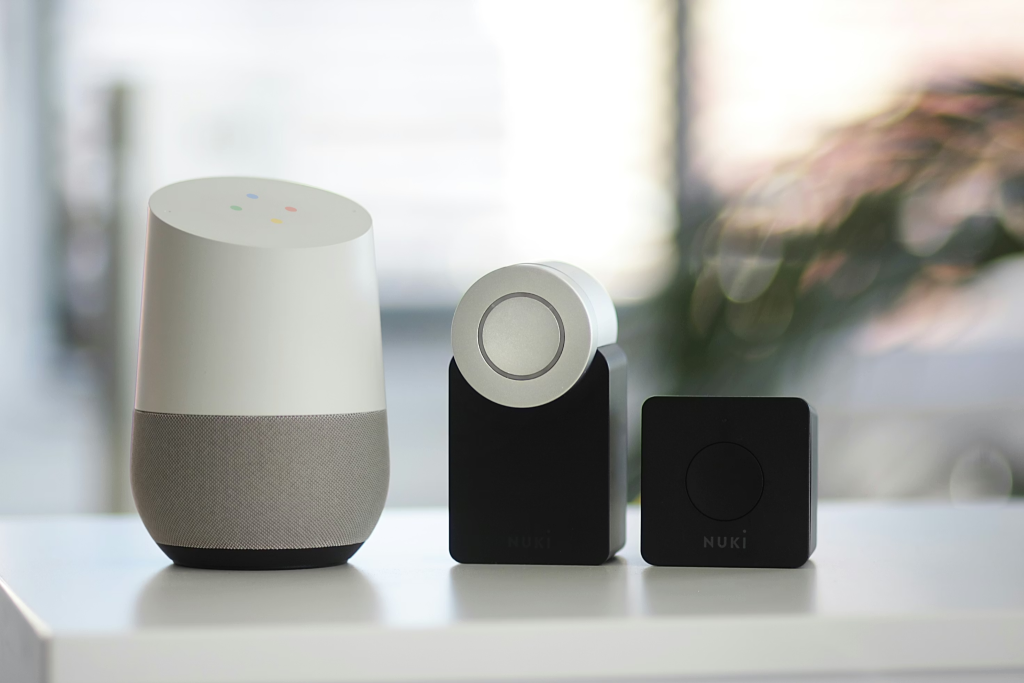
A few years ago, smart home technology still felt like something slightly showy. It looked interesting in ads, sounded futuristic in reviews, and often seemed more suited to tech enthusiasts than to ordinary households. That picture has changed. Smart gadgets are no longer treated as unusual extras placed in a corner for novelty value. Step by step, they are becoming part of normal domestic life, woven into routines so quietly that many people stop noticing where convenience ends and automation begins.
That shift reflects a broader digital habit in everyday life. People already manage entertainment, shopping, payments, and online platforms such as x3bet casino through phones and connected devices, so the move toward smart homes feels less dramatic than it once did. A connected speaker in the kitchen, a smart bulb in the hallway, or a doorbell camera by the entrance no longer looks like science fiction. It looks like the next practical layer of daily comfort.
Smart Devices Entered The Home Through Small Problems
Most homes did not become smarter because someone wanted to live inside a tech showroom. The change happened because ordinary frustrations kept inviting simple solutions. Lights were left on. Packages arrived while nobody was home. Heating was wasted in empty rooms. Vacuuming felt repetitive. The more daily annoyances stacked up, the more appealing smart gadgets became.
That is really the key to the whole trend. Smart devices did not succeed by being impressive. They succeeded by being useful often enough to stay plugged in. A product that saves time, lowers effort, or adds peace of mind has a much better chance of becoming permanent. A product that only looks futuristic usually ends up forgotten in a drawer, right next to old chargers and those mysterious cables nobody dares throw away.
Convenience Is Now The Main Selling Point
The early image of smart homes focused on spectacle. Lights changed color. Curtains opened by voice command. Music followed someone from room to room. Some of that still exists, but the stronger appeal today is simpler. Smart gadgets now sell themselves through practical value.
A smart thermostat learns preferred temperatures and reduces waste. A robot vacuum handles a dull chore without complaint. A video doorbell adds a sense of control over deliveries and visitors. Smart plugs let ordinary devices behave in smarter ways without forcing a whole home renovation. That practicality matters because most households do not want a digital revolution at breakfast. Most households just want fewer little tasks.
Smart Gadgets That Blend In Fastest
The devices that become part of daily life most easily are usually the ones that solve familiar problems:
- Smart speakers: quick help with music, reminders, timers, and voice commands
- Robot vacuums: automatic cleaning that removes one repetitive household job
- Smart thermostats: better temperature control and less wasted energy
- Video doorbells: easier monitoring of visitors, deliveries, and entry points
- Smart plugs and bulbs: simple ways to automate lighting and everyday appliances
These devices do not need to transform the entire house at once. Often, one useful purchase leads to another because the convenience becomes visible very quickly.
The Smartphone Became The New Household Remote
One reason smart gadgets spread so easily is that people were already used to controlling daily life through a phone. Banking, messaging, maps, shopping, photos, transport, and work all moved there first. Home technology simply followed.
That matters because adoption usually depends on familiarity. If managing a home device required a strange new system, many people would ignore it. But adjusting heating from an app or checking a camera feed from a phone feels natural now. The device may be new, but the habit is already old.
This also makes smart homes feel less mechanical than expected. Instead of learning an entirely new lifestyle, people mostly extend habits that already exist. The home becomes more connected without feeling completely rebuilt.
Security And Energy Use Push The Trend Forward
Convenience opened the door, but security and energy awareness pushed the trend further. A connected camera, smart lock, motion sensor, or alarm system can make a home feel more controlled and easier to monitor. For many households, that reassurance matters as much as comfort.
Energy use is another strong reason. Smart heating systems, bulbs, plugs, and appliances help reduce waste by running only when needed. With household costs rising in many places, that benefit feels practical rather than decorative. A smart device that helps lower bills tends to earn attention faster than one that merely glows in six different colors.
There is also a broader cultural shift here. Homes are expected to work more efficiently now, not just look comfortable. Smart gadgets fit that expectation because they promise both convenience and better resource use, at least when designed well.
The Future Of Home Life Looks Quietly Connected
Smart gadgets are becoming part of everyday homes because the idea no longer feels extreme. The technology has moved away from pure novelty and closer to ordinary domestic logic. If something saves time, reduces stress, adds security, or cuts waste, it earns a place.
The modern home is changing in a quiet way. Not with dramatic robotic scenes or shiny futuristic promises, but with small connected tools that solve small everyday problems. That is probably why the trend feels real this time. It is not about showing off a clever gadget to guests. It is about making daily life run a little smoother.