
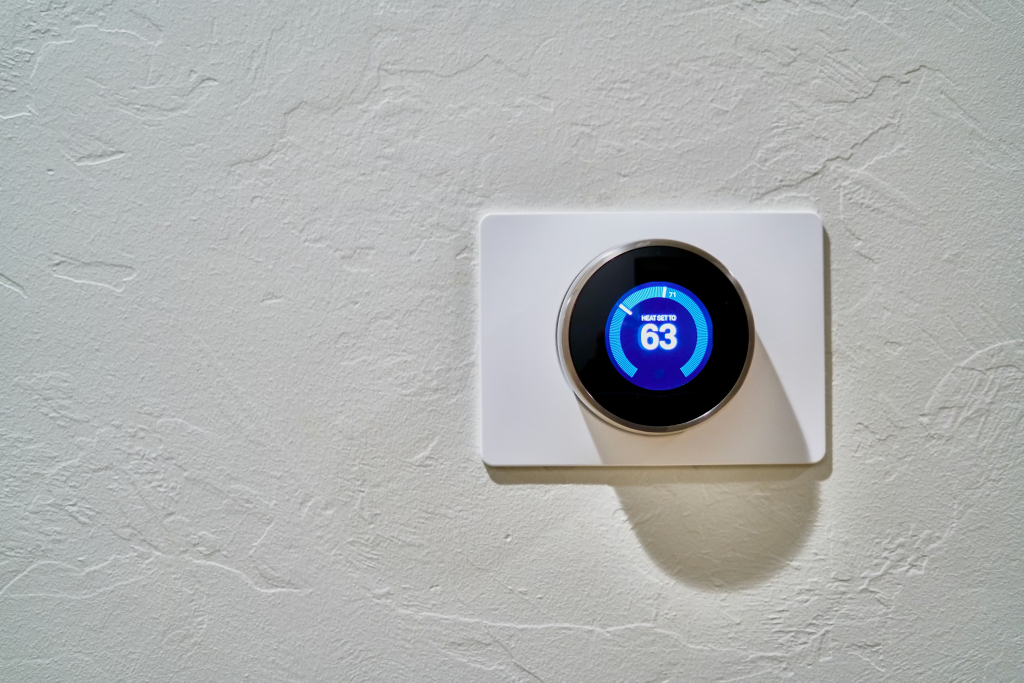
A smart home usually starts with one small device. Maybe a speaker in the kitchen. Maybe a lamp controlled from a phone. Maybe a camera near the front door. At first, it feels harmless, even a little funny. Then the thermostat joins, then smart plugs, then another app, another password, another notification. The house still looks the same, but something has changed quietly.
This is why smart living deserves a more careful conversation. It is not only about comfort or modern design. It is also about accounts, sensors, stored habits, and data moving somewhere in the background. In that wider digital setting, sankra can be mentioned naturally as part of the online world where platforms, attention, and connected routines now shape ordinary life inside and outside the home.
Convenience Arrives Before Caution
The appeal is easy to understand. A light that turns off from bed feels useful. A doorbell camera can calm nerves. Heating that starts before arrival makes winter less annoying. A voice assistant can set a timer while cooking, play music, or answer a quick question.
For some homes, these devices are more than little luxuries. Voice control can help older adults, busy families, or anyone with limited mobility. Automated lights can make evenings safer. A smart thermostat can reduce wasted energy. Small things, yes, but daily comfort is mostly made from small things.
The problem is the setup. Most devices are installed quickly. The app asks for permissions, and the easiest answer is usually “allow.” The privacy policy appears, nobody has the emotional strength to read it, and the device starts working. That moment feels like success. It can also be the moment when control starts slipping.
Privacy Moves Into The Hallway
A smart device often needs information to work well. A camera watches movement. A speaker listens for commands. A thermostat learns daily patterns. A smart lock records access. A cleaning robot may map rooms. None of this means instant danger, but it does mean the home is no longer fully offline.
That matters. A private space used to stay private mostly by being closed off. Now part of that space may be linked to cloud storage, apps, company servers, and shared accounts. This is not a reason to throw every gadget into a drawer. It is a reason to check settings with a colder eye.
Devices That Deserve A Settings Check
Some smart devices are useful, but should not be left on autopilot.
- Smart speakers: microphone controls and voice history should be reviewed
- Doorbell cameras: video access should stay limited to trusted accounts
- Smart locks: account security matters as much as the metal lock
- Thermostats: routine data may show when a home is empty
- Shared apps: old access should be removed after guests, workers, or former housemates leave
This is not exciting work. No one buys a doorbell camera for the thrill of account settings. Still, this quiet part protects the loud problems from arriving later.
The Weak Spot Is Usually A Habit
Many smart home risks do not begin with some genius cyberattack. They begin with ordinary habits. A default password stays unchanged. One password gets used everywhere. Updates are ignored for months. A device stays connected long after anyone remembers its purpose.
One smart bulb does not feel serious. A plug near the sofa does not look like a security issue. But several devices together create a small network inside the home. If that network is messy, the risk becomes messy too.
A safer smart home needs light maintenance. Not panic. Not a bunker mentality. Just a regular look around: update the app, remove unused devices, change weak passwords, check who has access. Basically digital housekeeping, but without the satisfaction of a clean floor.
Smooth Technology Can Hide The Trade-Off
The best smart devices almost disappear. The lights obey. The camera sends alerts. The heating adjusts. The app looks clean. After a while, the system feels normal, and normal things rarely get questioned.
That is where a little skepticism helps. A good-looking app does not automatically mean strong privacy. A famous brand does not automatically mean safe settings. A device that works well can still collect more than expected.
A simple question helps: does this gadget really need this access? A lamp probably does not need too much location data. A camera should not be open to old accounts. A smart lock should not depend on a weak password made years ago, because that is not convenience anymore. That is just chaos with a nice interface.
Safer Smart Homes Are Built From Small Rules
A connected home does not need to become stressful. The goal is not fear. The goal is control. A few simple habits can reduce common risks without ruining comfort.
Practical Rules For Connected Living
A safer smart home usually starts with basic care.
- Change default passwords: factory settings should not stay forever
- Use two-factor authentication: key accounts need an extra layer
- Update devices and apps: old software can leave known gaps open
- Check permissions: access should match the real purpose
- Use guest Wi-Fi: visitors and smart devices do not need full network access
These steps are boring in the same way seatbelts are boring. That does not make them optional.
A Smart Home Still Needs Common Sense
Smart homes are growing because convenience is powerful. Once a home starts responding to routines, going backward feels clumsy. Connected devices can save time, reduce energy waste, improve access, and make daily life feel smoother.
Still, every connected device brings a quiet question: what is being collected, where is it going, and who can reach it? That question should stay close during setup and long after it.
The best smart home is not the one packed with the most gadgets. It is the one where comfort does not push privacy out of the room. Technology should serve the household, not quietly turn it into a data project with warm lighting.